
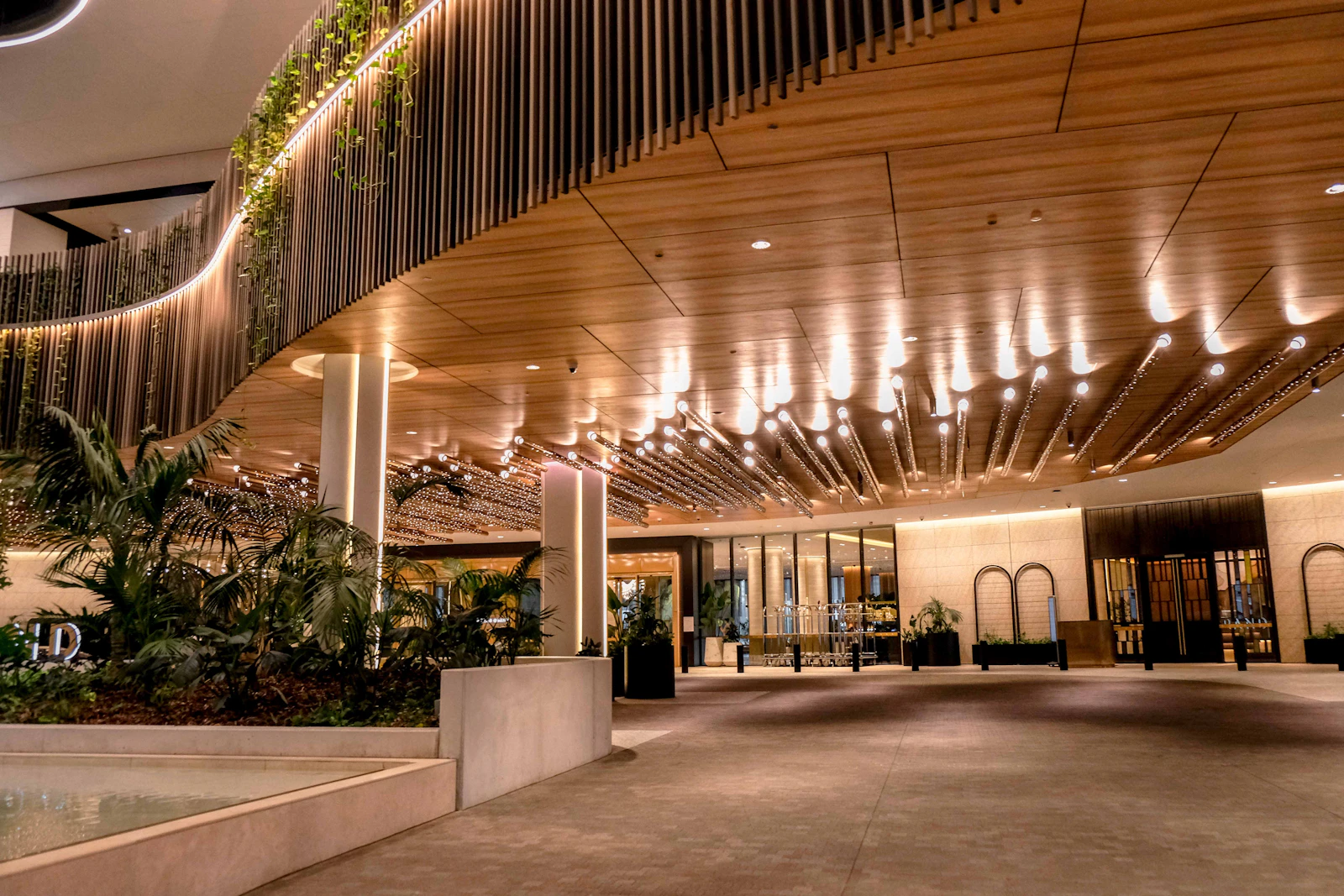
Why Hotel Entrance Facade Design Defines Guest Perception Before Check-In
In the hospitality industry, the guest experience begins long before the front desk. Research consistently shows that first impressions form within seven seconds—and for hotel guests arriving by vehicle or on foot, that seven-second window is dominated entirely by the building's exterior. Hotel entrance facade design is no longer a passive aesthetic consideration; it is an active driver of booking conversions, online review sentiment, and brand positioning.
With mid-year renovation cycles accelerating ahead of 2027 booking seasons, property developers and hotel operators across the Philippines are facing a familiar challenge: how do you elevate the perceived luxury of a property without committing to full structural demolition and reconstruction? The answer, increasingly, lies in premium architectural coating finishes—systems engineered to replicate natural stone, polished concrete, and mineral textures on existing building facades at a fraction of the cost and timeline of traditional cladding.
This guide is written for architects, interior designers, and developers who are evaluating hotel exterior upgrade coatings as part of a mid-cycle renovation strategy. We'll examine the design principles behind high-impact hotel entrances, the material science that makes modern facade coatings viable, and how specific product systems can deliver genuine luxury credentials to commercial exteriors in the Philippine climate.
The Commercial Case for Facade Upgrades in the Philippine Hotel Market
The Philippines' hotel and resort sector is navigating a demanding recovery and expansion period. Properties that secured strong 2023–2024 bookings are now investing in physical upgrades to protect occupancy rates through the coming years. Meanwhile, new developments are racing to differentiate in increasingly competitive markets—from BGC and Makati to Boracay, Palawan, and Cebu.
What's driving the pivot toward coating-based facade upgrades rather than full refurbishment? Several factors converge:
- Cost efficiency: Architectural coating systems typically cost 30–60% less per square meter than natural stone cladding, porcelain tile installation, or full facade replacement.
- Speed of execution: A coating-based facade upgrade on a mid-scale hotel can often be completed in weeks rather than months, minimizing revenue disruption during renovation.
- Guest downtime reduction: Because coatings are applied to existing substrate surfaces, structural access requirements are minimal—meaning fewer room closures and shorter operational interruptions.
- Design flexibility: Modern coating systems offer extensive color, texture, and finish customization, allowing properties to align with brand guidelines or pursue entirely new aesthetic identities.
For developers targeting the premium leisure and business travel segments, the visual stakes are particularly high. A hotel entrance that reads as tired, dated, or generically commercial will struggle to command premium room rates—regardless of interior quality. Conversely, a facade that communicates materiality, craftsmanship, and architectural intention creates an immediate halo effect on guest perception.
What Makes a Hotel Entrance Facade Feel Luxurious?Materiality and Texture
Luxury in architecture is communicated primarily through perceived material quality. Natural stone—granite, limestone, travertine, sandstone—has been the universal language of premium hospitality design for decades. The texture, depth, and solidity of stone surfaces signal permanence, investment, and prestige in ways that painted or rendered surfaces simply cannot.
The challenge, historically, was that genuine natural stone cladding is expensive to source, heavy to install, and demanding to maintain in tropical climates. This is precisely where advanced architectural stone finishes for commercial applications have transformed the design landscape. Systems like Liquid Granite are engineered to replicate the visual character of natural granite on vertical surfaces—delivering the textural depth and tonal variation of stone through a spray-applied coating process that bonds directly to existing facade substrates.
For hotel exteriors, this means the entrance colonnade, porte-cochère columns, boundary walls, and street-facing facades can all be unified under a coherent stone-finish material language—without quarrying a single slab.
Scale and Visual Continuity
Premium hotel entrances succeed partly through scale—the deliberate use of large, uninterrupted material surfaces that create a sense of grandeur. Grout lines, panel joints, and material transitions fragment surfaces visually and reduce the perceived quality of the material itself. Seamless or near-seamless coating systems allow designers to treat an entire facade elevation as a single material canvas, maintaining visual continuity across columns, spandrels, and parapet walls.
Weather Performance and Longevity
In the Philippine context, luxury credentials must be durable. A facade finish that fades, cracks, or stains within two to three years of installation actively undermines the property's brand positioning—and generates costly remediation cycles. Architects and developers specifying hotel exterior upgrade coatings should prioritize systems with demonstrated UV stability, water resistance, and performance under high-humidity tropical conditions.
Architectural Stone Finishes for Hotel Facades: A Practical Design GuideExterior Facade Surfaces: Stone-Effect Coating Systems
For exterior-facing hotel entrance applications—main building facades, entrance towers, drop-off canopies, boundary walls, and perimeter features—spray-applied stone-finish systems represent the most efficient route to premium material aesthetics. Liquid Granite is specifically engineered for these vertical exterior applications. Its formulation delivers a textured, multi-tonal finish that visually replicates granite at the scale of a commercial facade, while offering the UV stability and weather resistance critical for exposed Philippine exteriors.
Application is spray-based, allowing skilled applicators to work across large surface areas efficiently and achieve consistent texture and color distribution. The result is a facade surface with genuine material depth—not the flat, uniform appearance of conventional paint or render systems. For hotel developers seeking premium coating finishes in the Philippines that can compete visually with natural stone cladding, this category of product delivers a compelling proposition.
Polished Concrete and Mineral Aesthetics for Facade Walls
Beyond granite-effect finishes, a growing segment of the Philippine hotel design market is embracing the raw, contemporary aesthetic of polished concrete and sintered stone. This direction suits boutique hotels, design-forward resort properties, and urban lifestyle brands that position themselves against the more classical luxury vocabulary.
For these projects, Opus—a sintered sand and polished concrete-look coating system—provides an exterior vertical surface solution with a natural stone character that reads as sophisticated without mimicking traditional granite. Opus is primarily suited to exterior walls and building facades, performing well in outdoor environments while delivering the textural depth and tonal complexity that design-led hospitality brands require. Boundary walls, entrance feature walls, and secondary facade surfaces treated with Opus create a consistent material language that bridges landscape and architecture.
Interior Entrance Surfaces: Where Facade Design Continues Inside
The luxury hotel entrance experience doesn't terminate at the front door. The visual and material language established on the exterior facade should transition coherently into the arrival sequence—lobby walls, reception feature walls, lift lobby finishes, and corridor surfaces all contribute to the sustained first impression.
For interior vertical surfaces in these premium zones, Venetian plaster-style coatings like Liquid Polish deliver a mirror-like, reflective finish that elevates the perceived quality of hotel interiors dramatically. While Liquid Polish is strictly an interior wall application, its role in completing the arrival experience—from the stone-finish exterior facade through to the luminous, polished lobby interior—makes it a natural companion product in hotel entrance design projects. Executive lobbies, high-end restaurant feature walls within hotel F&B spaces, and reception area walls are all prime candidates for this system.
Specifying Facade Coatings for Hotel Projects: Key ConsiderationsSubstrate Compatibility and Surface Preparation
The performance of any architectural coating system is fundamentally dependent on the condition of the receiving substrate. For hotel facade upgrade projects—where the existing substrate may be concrete render, masonry block, or a previous coating layer—a thorough substrate assessment is non-negotiable. Delaminating surfaces, active moisture ingress, and structural movement must be addressed before coating application commences. Specifiers should request substrate compatibility data sheets from coating suppliers and establish clear preparation protocols with the applicator team.
Color and Texture Selection for Climate and Light
The Philippine tropical light environment is intense and directional. Colors and textures that read well in European or East Asian project photography may behave differently under direct equatorial sun. When specifying stone-finish coatings for hotel facades, it is worth investing in full-scale mock-up panels—applied to the actual building substrate in the actual orientation—before committing to a final specification. This is standard practice on premium commercial projects and prevents costly recoating decisions post-completion.
Maintenance Protocols for Tropical Environments
Tropical facades accumulate biological growth, pollution staining, and salt deposits at rates significantly higher than temperate climates. Premium architectural coatings should be paired with a documented maintenance schedule—typically annual cleaning and periodic inspection of sealant and coating integrity. Properties that invest in facade upgrade coatings and then neglect maintenance protocols will see their investment depreciate rapidly. Work with suppliers who provide specific maintenance guidelines for their systems in tropical commercial applications.
The ROI of Hotel Entrance Facade Investment
For hotel developers evaluating capital allocation ahead of 2027 booking seasons, the return on investment case for facade upgrade coatings is compelling. Online travel platforms now weight visual presentation heavily in search ranking and click-through performance. Properties that refresh their facade photography following a coating upgrade consistently report measurable improvements in direct booking enquiry rates—in some cases, increases of 15–25% in the months following the launch of updated imagery.
Beyond digital channels, the facade's physical impact on guest arrival sentiment translates directly into review scores. Guest satisfaction surveys across the hospitality sector show that physical environment quality—including exterior appearance—accounts for a significant portion of overall satisfaction ratings on platforms like TripAdvisor and Google Reviews. A facade that communicates premium material quality sets an elevated expectation that, when matched by interior service and finish quality, produces the positive review cycles that drive sustained booking performance.
The architectural coating approach also creates strategic flexibility. Unlike permanent natural stone cladding, coating systems can be refreshed, recolored, or retextured as brand positioning evolves—without structural intervention. For hotel groups managing multiple properties across different market segments, this adaptability has genuine long-term value.
Working with Specialists for Premium Facade Results
The quality of outcome from any architectural coating system is inseparable from the quality of the applicator. Hotel facade upgrade projects demand applicators with commercial-scale experience, an understanding of tropical substrate preparation, and documented proficiency with the specific coating systems being specified. Architects and project managers should request applicator credentials and site references before awarding facade coating works on premium hotel projects.
TechStone works exclusively with trained and certified applicators across the Philippines, ensuring that the performance and aesthetic standards established in the specification stage are consistently delivered on site. To explore the full range of architectural facade and interior coating systems available for hotel and commercial projects, visit our project portfolio or speak with our specification team.
For architects and developers beginning a hotel entrance facade design review, the starting point is always the same: define the material language you want the building to speak, then find the coating system that delivers that language with the durability and finish quality your project demands. In the Philippine hotel market, that decision has never been more consequential—or better supported by the material technology available today.