
Why Retail Flooring Is the Most Underestimated Sales Tool in 2026
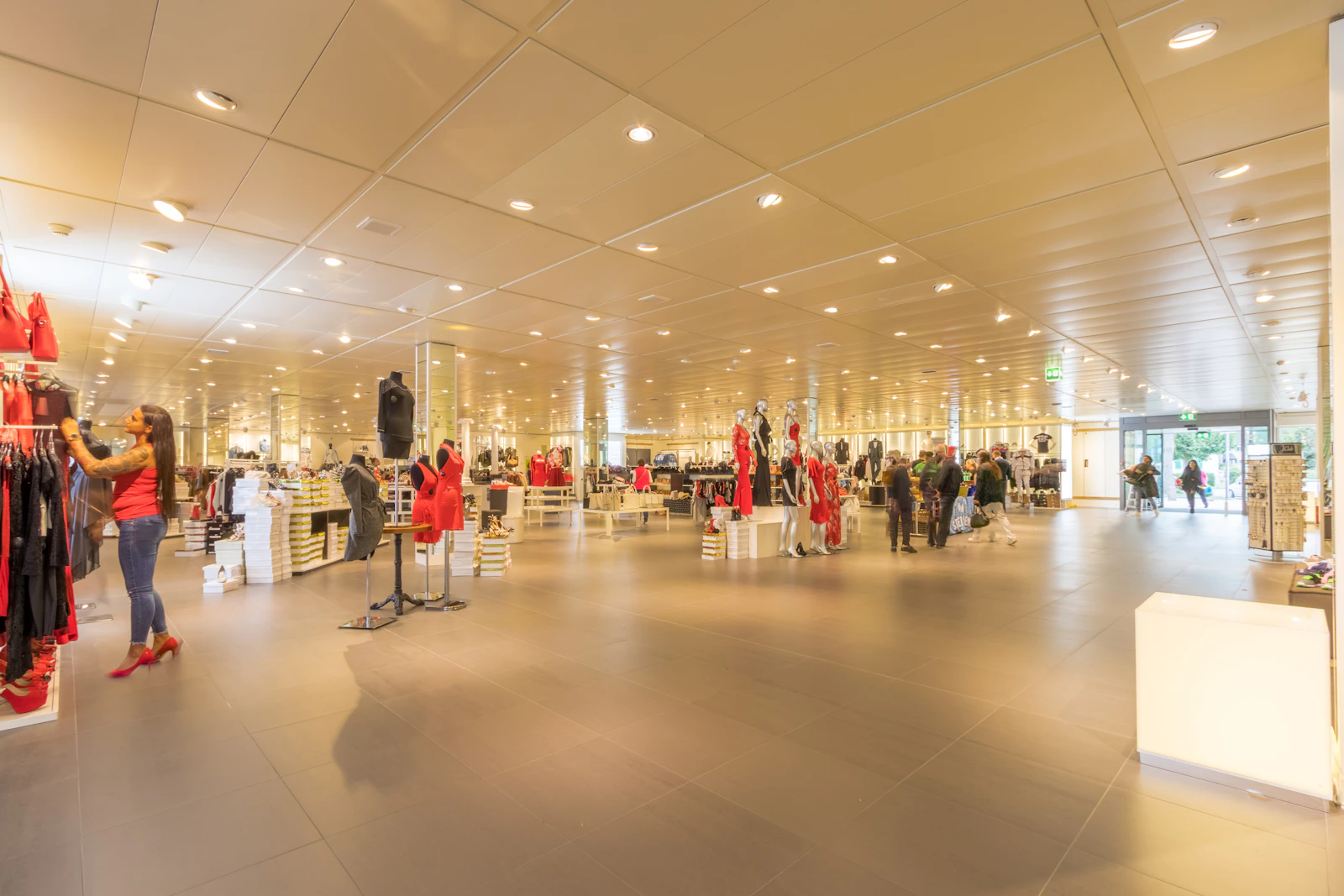
Walk into any high-performing retail showroom in Manila, BGC, or Cebu today, and you'll notice something beneath your feet doing a lot of quiet, powerful work. The floor — seamless, continuous, almost liquid in its visual flow — is guiding your movement, elevating the perceived value of every product on display, and making you stay longer than you planned. This is not accidental design. It is the calculated deployment of seamless commercial flooring as a strategic retail asset.
In the post-pandemic landscape, Philippine retail has undergone a fundamental rethinking of what physical space is for. With e-commerce permanently absorbing a share of consumer spending, brick-and-mortar stores are no longer just points of transaction — they are brand experiences. And the floor you walk on communicates brand values before a single product is touched. As we move into 2026, retail flooring design in the Philippines is being shaped by one dominant shift: the rejection of grout lines, pattern interruptions, and visual clutter in favor of clean, continuous surfaces that amplify merchandise and invite the camera.
The Problem With Traditional Tiles in High-Traffic Retail
For decades, ceramic and porcelain tiles dominated commercial flooring in the Philippines. They were reliable, locally available, and understood by every contractor. But in the context of modern showroom interior design trends, tiles carry a growing list of liabilities that premium retail operators can no longer ignore.
Grout: The Hygiene and Aesthetic Problem
Grout lines are porous. In a high-traffic retail environment — a fashion showroom, a furniture gallery, a cosmetics boutique — grout accumulates foot traffic debris, cleaning chemicals, and bacteria over time. Despite regular mopping, grout darkens. It visually ages the floor faster than any other factor. In a space designed to feel new, curated, and aspirational, darkened grout is a trust-eroding detail that customers register subconsciously even when they cannot articulate why the space feels tired.
The Visual Interruption Effect
Retail design psychology has long established that visual complexity at floor level competes for cognitive attention with the merchandise being displayed. A grid of 60x60 tiles, no matter how neutral the color, creates a repeating pattern that breaks the customer's visual journey. Seamless floors, by contrast, create what designers call a visual runway — an uninterrupted surface that directs the eye toward product displays, feature walls, and focal points rather than fragmenting attention across the room.
Maintenance Economics Over Time
The lifetime cost of tiled floors in a retail environment is rarely calculated honestly at the specification stage. Grout resealing, tile replacement for chips and cracks in high-traffic zones, and the labor-intensive deep cleaning required to maintain appearance in foot-traffic corridors add up significantly over a five-to-ten-year lease cycle. Coating-based seamless flooring systems, when properly applied and maintained, offer superior long-term cost performance — particularly in environments where the floor is a brand-facing surface, not merely a functional substrate.
Microcement Flooring: The Benchmark for Retail Seamless Surfaces
Among the coating-based flooring systems available in the Philippine market, microcement flooring has emerged as the benchmark product for retail and showroom applications. Its combination of visual versatility, seamless continuity, and surface durability makes it uniquely suited to the demands of commercial interiors where aesthetics and performance must coexist.
TechStone's Microcement is a trowel-applied seamless coating available in both Course and Fine textures, designed for application on both floors and walls. In a retail context, the flooring application is where it delivers the most dramatic commercial impact. Applied directly over prepared concrete or existing substrates, it creates a continuous, grout-free surface that can span entire showroom floors — from entrance threshold to back wall — without a single interruption.
Fine Texture for Fashion and Luxury Retail
For fashion showrooms, jewelry boutiques, and luxury goods retailers, the Fine texture variant creates a surface with a refined, almost stone-like quality that communicates premium positioning without overpowering the merchandise. The matte or satin finish options allow lighting designers to control surface reflectivity precisely — a critical factor in spaces where product illumination is the primary design variable.
Course Texture for Industrial and Lifestyle Concepts
The Course texture variant serves a different but equally compelling retail segment: the industrial-aesthetic lifestyle brands, concept stores, and F&B-adjacent retail concepts that have proliferated in the Philippines' mixed-use developments. Here, the slightly more pronounced surface texture communicates authenticity and tactile quality — values that resonate strongly with the post-pandemic consumer's appetite for experiential retail over transactional shopping.
The Instagram Factor Is Real and Measurable
It may seem reductive to design a commercial floor around social media photography, but the commercial logic is sound. Studies of retail consumer behavior consistently show that photogenic spaces generate organic social media content — user-generated content that functions as peer-to-peer marketing at zero incremental cost to the retailer. Seamless microcement floors, with their clean lines, neutral tones, and shadow-catching texture, photograph exceptionally well under both natural and artificial light. In a market where a single Instagram story from a well-followed account can drive foot traffic for weeks, the floor is a marketing investment, not just a construction cost.
Design Applications: How Seamless Flooring Drives Customer Behavior
Understanding why seamless floors perform commercially is useful. Understanding how to deploy them strategically is what separates good retail design from great retail design. The following applications represent the most impactful uses of seamless coating systems in Philippine showroom and retail environments.
Zoning Without Visual Division
Large-format retail — department stores, furniture showrooms, multi-brand concept stores — traditionally relies on flooring material changes to signal zone transitions: carpet here for the soft goods section, tile there for the dining area. Seamless flooring systems allow designers to maintain a unified floor surface while using color and tone variations within the same material to create subtle zone differentiation. A slightly warmer microcement tone in the seating area, a cooler grey in the main circulation path — the transition is felt atmospherically without being announced by a material change that interrupts the visual flow.
Extending the Floor Plane to Walls
One of the most powerful design moves available to retail interior designers using seamless coating systems is the continuous surface application — running the same microcement material from floor to wall in changing rooms, alcoves, and display niches. This technique, increasingly common in high-end retail across Southeast Asia, creates a spatial compression effect that makes small areas feel intentional and curated rather than cramped. It also eliminates the skirting board detail, which in traditional tiled environments is a consistent source of visual noise and maintenance difficulty. For walls and feature surfaces within the retail interior, TechStone's wall coating applications offer the same seamless aesthetic continuity in a vertically optimized formulation.
Entrance Sequences and First Impressions
Retail psychology identifies the entrance sequence — the first three to five meters of a store — as the zone with the highest influence on customer perception and dwell time. A seamless, visually quiet floor in the entrance zone allows the eye to immediately engage with the brand statement: the feature wall, the hero product display, the logo installation. By contrast, a tiled entrance with grout lines and material transitions fragments that first-impression moment. In competitive retail precincts like SM Prime developments, Robinsons Malls, and Ayala-anchored lifestyle centers, where dozens of brands compete for the same passing foot traffic, the entrance sequence is where brand perception is won or lost in seconds.
Wet Areas and Food-Adjacent Retail
For food and beverage retail concepts — coffee shops with retail components, bakeries, premium grocery concepts — the seamless floor's hygiene advantage is particularly compelling. Without grout lines to harbor bacteria and without material transitions that trap debris, a properly sealed microcement floor can be maintained to food-service standards more efficiently than tiled alternatives. This is increasingly relevant as the Philippine Bureau of Food and Drug Administration (FDA) and mall operators raise cleanliness standards for food-adjacent commercial tenants.
Specifying Seamless Flooring: What Design Professionals Need to Know
For architects and interior designers specifying seamless coating systems in commercial retail projects, several technical considerations determine long-term performance outcomes.
Substrate Preparation Is Non-Negotiable
The performance of any coating-based flooring system is directly dependent on the quality of the substrate beneath it. Existing concrete must be assessed for moisture content, surface cracks, and levelness before application. In Philippine construction contexts — where concrete quality varies significantly across project types and locations — thorough substrate preparation is the factor most often responsible for the difference between a floor that performs beautifully for a decade and one that begins delaminating within eighteen months. Work with applicators who specify substrate assessment as a mandatory pre-application step, not an optional add-on.
Topcoat Selection and Traffic Rating
In retail environments, the topcoat applied over the base microcement layers determines both the surface finish aesthetic and the abrasion resistance of the finished floor. High-traffic retail zones — entrance paths, checkout corridors, fitting room approaches — should be specified with commercial-grade polyurethane or epoxy topcoats rated for heavy foot traffic. Lighter-traffic zones such as display alcoves and staff areas can tolerate less aggressive topcoat specifications, which also allows for more aesthetic flexibility in finish appearance.
Moisture Management in Philippine Climates
The Philippine climate presents specific challenges for flooring systems. High ambient humidity, ground-level moisture transmission in slab-on-grade applications, and the thermal cycling associated with air-conditioned interiors in a tropical climate all create stress on coating-substrate bonds. Proper moisture barriers and primer systems are essential specifications, not cost-saving omissions. Discuss these technical requirements with your coating supplier early in the specification process — before the contractor tender stage, not after.
The Business Case for Investing in Premium Retail Flooring
For property developers and retail operators evaluating the cost premium of seamless coating systems over standard tiles, the business case rests on three compounding value drivers. First, brand perception: a premium floor communicates quality and investment to customers, increasing the perceived value of the merchandise and the brand. Second, operational efficiency: lower maintenance costs and faster cleaning cycles in high-traffic retail operations translate to measurable labor savings over a lease term. Third, adaptability: when a retail tenant rebrands or a landlord refreshes a tenancy, coating-based floors can be resurfaced or recoated far more economically than tiled floors can be replaced, reducing capital expenditure at lease renewal.
As retail competition in the Philippines intensifies through 2026 and beyond, the design decisions that once seemed like aesthetic preferences are revealing themselves as commercial strategies. The floor beneath your customers' feet is not neutral. It is working for your brand — or against it — every hour the store is open. Seamless flooring systems are the surface-level investment with the deepest commercial returns.
Explore TechStone's full range of commercial flooring applications and discover how seamless surfaces can transform your next retail project. View completed commercial projects at techstone.com.ph/projects.